dinsdag 14 april 2026

"Ver­ge­lijk dit feest met jul­lie Kerst­mis, dit zijn onze hoog­da­gen”

Drie dagen lang wordt er samen gegeten en samen gebeden. De vrouwen maken het brood, terwijl de mannen koken.

Ver­scho­len ach­ter een rij­tjes­huis op de wei­nig char­mante Bis­schop­pen­hof­laan in Deurne ligt een van de negen Bel­gi­sche sikht­em­pels of gurdwara’s. Het is het klop­pende hart van de Ant­werpse sikh­ge­meen­schap. In ons land leven naar schat­ting 25.000 sikhs. Het sik­hisme is een reli­gie die rond 1500 ont­staan is in de Pun­jab-regio in India en Pak­is­tan en zich richt op de toe­wij­ding aan één uni­ver­sele God, op gelijk­heid en vrij­heid voor ieder­een.

De Ant­werpse sikh­ge­meen­schap vormt het bui­ten­been­tje in ons land. Hier amper Indi­ërs of Pak­is­ta­nen, wel Afgha­nen. “Rond de eeuw­wis­se­ling zijn velen van ons Afgha­nis­tan ont­vlucht van­wege de oor­log en onder­druk­king”, ver­telt San­took Singh (68), voor­zit­ter van de Ant­werpse gurdwara.

“De begin­ja­ren in Ant­wer­pen waren moei­lijk voor ons. Samen bid­den deden we in de tem­pel in Vil­voorde. Met de steun van de inter­na­ti­o­nale sikh­ge­meen­schap slaag­den we er uit­ein­de­lijk in 2017 in om onze eigen gurdwara te ope­nen, hier in Deurne. Sinds­dien is dit de plek waar wij elke week min­stens één keer samen­ko­men.”

Hechte gemeen­schap

Wie de gurdwara bin­nen wil, moet eerst han­den en voe­ten rei­ni­gen. In de grote gebeds­ruimte weer­klin­ken zon­dag­mid­dag gebe­den, zang en muziek. In de aan­pa­lende zaal wordt er samen gege­ten. “Het Vai­sakhi-feest is een van de belang­rijk­ste fees­ten voor ons, even belang­rijk als Kerst­mis voor jul­lie”, ver­telt Moni (71) ter­wijl ze dam­pende tas­sen chai-thee ser­veert.

Sinds 6 uur ’s och­tends zijn tien­tal­len vrij­wil­li­gers in de weer om voor ieder­een te koken. “De vrou­wen maken de cha­pati (een soort plat­brood, red.) ter­wijl de man­nen koken.” Moni woont op het Ant­werpse Kiel en was een van de eer­ste sikhs die zich in 1986 in Ant­wer­pen ves­tig­den. “Onze gemeen­schap groeit, dat is mooi om te zien. We vor­men een hechte com­mu­nity en dan is het fijn dat we een plek als deze heb­ben waar we elkaar kun­nen ont­moe­ten en waar er ruimte is voor gebed. Als kind nam mijn moe­der me altijd mee naar de tem­pel, nu doen wij het­zelfde met onze kin­de­ren en klein­kin­de­ren.”

Onder­ne­mers

Elke week voor­zien de vrij­wil­li­gers van de gurdwara ove­ri­gens een uit­ge­breide, gra­tis maal­tijd: de lan­gar. “Ieder­een is dan wel­kom”, zegt Par­mit (24). Hij ver­telt dat de sikhs een beslo­ten cul­tuur heb­ben. “In Afgha­nis­tan vorm­den we een min­der­heid. We over­leef­den door op ons­zelf terug te plooien. Met die men­ta­li­teit zijn we naar hier geko­men. Dat maakt dat men­sen in Ant­wer­pen niet goed weten wie wij zijn. Al zien ze natuur­lijk wel dat wij vaak super­mark­ten of nacht­win­kels uit­ba­ten. Anders dan de Indi­sche sikhs zijn wij han­de­laars en onder­ne­mers. Een eigen zaak run­nen zit in ons bloed.”

Zelf vluchtte Par­mit samen met zijn ouders, zus­sen en broer in 2009 naar Bel­gië. “Je ziet dat de jonge gene­ra­tie sikhs er wel voor open­staat om con­tact te leg­gen met de andere gemeen­schap­pen in Ant­wer­pen. Langs weers­kan­ten wordt stil­aan de hori­zon ver­breed. Ik vind dat belang­rijk. Als per­soon groei je niet door jezelf af te slui­ten.”

Erf­goed ken­baar maken

Om die reden is de Bel­gi­sche sikh­ge­meen­schap in een pro­ject van Kadoc gestapt, het Docu­men­ta­tie- en Onder­zoeks­cen­trum voor Reli­gie, Cul­tuur en Samen­le­ving ver­bon­den aan de KU Leu­ven. “Wij trach­ten het erf­goed van de Vlaamse sikh­ge­meen­schap­pen in kaart te bren­gen, hun (migra­tie)geschie­de­nis op te teke­nen en dat erf­goed ken­baar te maken voor een bre­der publiek”, zegt onder­zoe­ker Alexan­der Hil­kens.

Want de meeste Vla­min­gen weten inder­daad niet meer van de sikhs dan dat de man­nen een tul­band dra­gen. Par­mit glim­lacht. “Zowel man­nen als vrou­wen bedek­ken het haar. Wij knip­pen ons haar ook nooit. Oor­spron­ke­lijk was lang haar een sym­bool van konink­lijke af komst. Van­uit het idee dat ieder­een gelijk is, knipt daarom nie­mand het haar.”

Bui­ten wordt intus­sen een nieuwe vlag gehe­sen met daarop het sikhsym­bool. Bin­nen gaan de gebe­den ver­der, ter­wijl in de keu­ken hard wordt gewerkt om ieder­een van een warme maal­tijd te voor­zien. “Samen bid­den, ver­ha­len ver­tel­len en eten: dat blij­ven we ook de komende dagen nog doen.”

“In Ant­wer­pen weten men­sen niet goed wie wij zijn. Al zien ze wel dat wij vaak super­mark­ten of nacht­win­kels uit­ba­ten. Anders dan de Indi­sche sikhs zijn wij onder­ne­mers”
PARMIT ANTWERPSE SIKH

woensdag 25 maart 2026

Dhurandhar 2 vs Punjab 95

Dhurandhar 2 vs Punjab 95: 'New India' Has Place for Only One Kind of Sikh

'Dhurandhar: The Revenge' is celebrated even as 'Punjab 95' continues to be stuck with the censor board.

Published: 24 Mar 2026, 7:38 PM IST
story-hero-img
i

Recent Hindi films, especially Dhurandhar 2, reflect a shift in Bollywood where narratives align with the ruling regime's ideology. Films like Dhurandhar 2 portray minorities as villains while dissent is linked to conspiracies, raising concerns about the industry's role in shaping political narratives. Does Bollywood now reinforce power rather than question it?

(Questioning hate and propaganda in films is a key part of our work and often comes with threats to the organisation and the writers. Help us preserve our editorial independence by becomoing a member.)

The Hindi film industry, once celebrated for its willingness to interrogate power, question social hierarchies, and engage with uncomfortable truths, now appears increasingly aligned with the ideological currents of the ruling regime.

This alignment is not always overt; at times, it operates subtly, through narrative framing, character construction, and selective storytelling. At other times, it is unmistakably explicit, with films that directly echo and amplify political rhetoric.

Together, these trends suggest a cinematic ecosystem that is no longer merely reflecting society but actively participating in shaping a particular political narrative.

The latest example of this is Dhurandhar, whose second part Dhurandhar: The Revenge was released earlier in March.

Sikh Identity and Selective Representation

Dhurandhar 2 feels like every Hindutva supporter's fantasy captured on screen by Aditya Dhar. It portrays Muslims as barbaric and Sikhs as drug addicts. Sikh rebel groups are shown as being in cahoots with the ISI in transporting drugs.

Even though the main protagonist played by Ranveer Singh is also a Sikh, he is acceptable only because he aligns with their version of nationalism. 

In one instance, the protagonist's old friend comes to Karachi with two other turbaned Sikhs involved in drug transport from Pakistan. The friend, Pinda, tells the protagonist Hamza/Jaskirat that he will take him to Punjab "when we get freedom", directly linking the separatist movement with drugs and an ISI-led conspiracy.

Sikhs are accepted only when they fight for the nation. The moment they demand rights, they are labelled separatists, accused of being in cahoots with the ISI, and delegitimised.

During the farmers' protest, a similar narrative was pushed by the Bharatiya Janata Party (BJP)-aligned media organisations—that these were "Khalistanis" and part of an international conspiracy to defame the government.

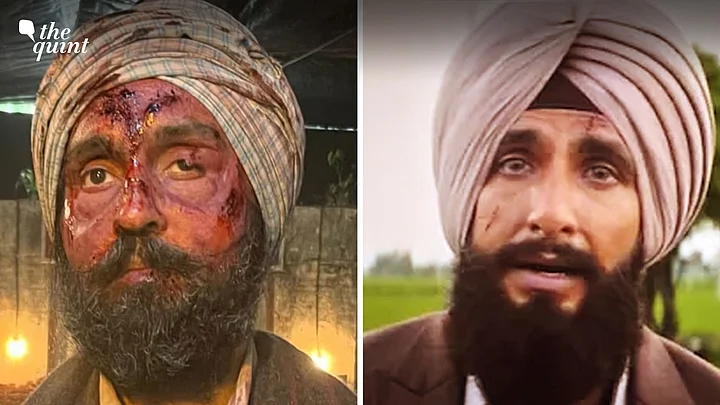
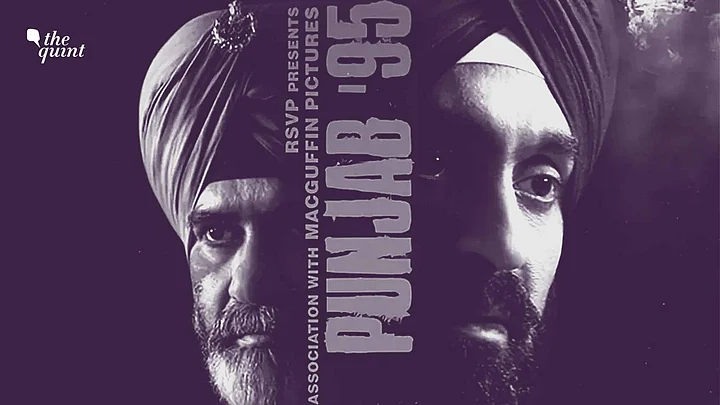
Meanwhile, Punjab is still waiting for the release of a film on one of its most prominent human rights defenders, Bhai Jaswant Singh KhalraPunjab 95, which has been stuck with the Central Board of Film Certification (CBFC) for the past three years. A CBFC member reportedly told the film's director Honey Trehan—"itna sach kaun dikhaata hai". This is not a casual remark. It reveals who controls cinema, and with cinema, the narrative.

Diljit Dosanjh, who plays Khalra, is celebrated as a hero in Border 2, where he plays a patriotic role against Pakistan. But the same Diljit in Punjab 95 faces censorship—because that story goes against the state's narrative.

'Dhurandhar: The Revenge' is celebrated even as 'Punjab 95' continues to be stuck with the censor board.

The biopic on Jaswant Singh Khalra is being held up due to cuts by the CBFC.

(Kamran Akhter/The Quint)

The construction of the protagonist in Dhurandhar further illustrates how identity is strategically deployed. The main character, Jaskirat Singh Rangi, played by Ranveer Singh, is given a distinctly Sikh name. However, his Sikh identity is largely superficial within the narrative.

He is shown smoking and drinking, actions that are generally discouraged within Sikh religious practice.

When Major Iqbal played by Arjun Rampal says let's fund a Punjab rebel group, it just portrays Punjab as a disturbed region, though the ground reality is very different in Punjab in the period referred to in the film.

This selective use of identity is significant. By assigning the character a Sikh name while stripping away the substantive elements of Sikh identity, the film perpetuates a particular trope: that "real" Sikhs are defined primarily by their nationalism and their willingness to sacrifice for the country. This aligns with a broader ideological project that seeks to incorporate Sikh identity into a homogenised national framework, rather than acknowledging its distinct religious and cultural foundations.

Then there are films like AnimalUri, and Chhaava, which do not openly declare ideological allegiance but reinforce similar ideas through their storytelling. These films operate more insidiously, embedding political messaging within character arcs and emotional narratives.

Animal, for instance, offers a telling example. Ranbir Kapoor's character is depicted as having mixed Hindu-Sikh heritage, a detail that may appear incidental but carries deeper ideological implications.

The character is shown smoking, participating in Hindu rituals such as havan, and even consuming gau-mutr. These choices are not merely about character development; they subtly gesture toward a broader project of cultural assimilation, one that aligns with the idea of subsuming Sikh identity within a larger Hindu framework.