Trailer: https://youtu.be/PFigogQ4Fpw?si=rpd-hpJ91b3WWiyT
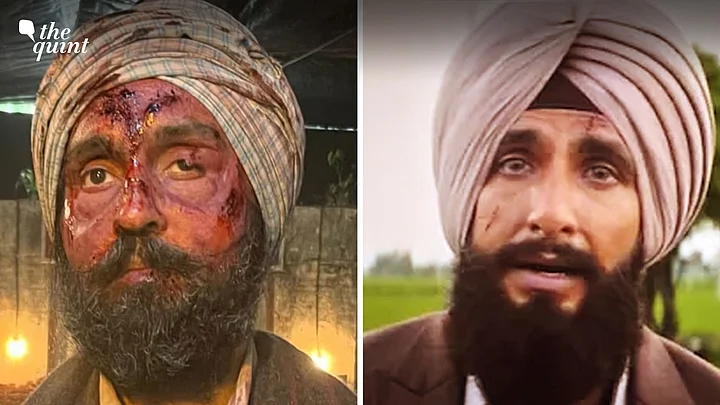
MUMBAI: Some films ask you to sit back. Satluj asks you to sit up. Continuing its push for bold, socially relevant storytelling, ZEE5 has premiered Satluj, a true-event-inspired social drama starring Diljit Dosanjh in the lead.
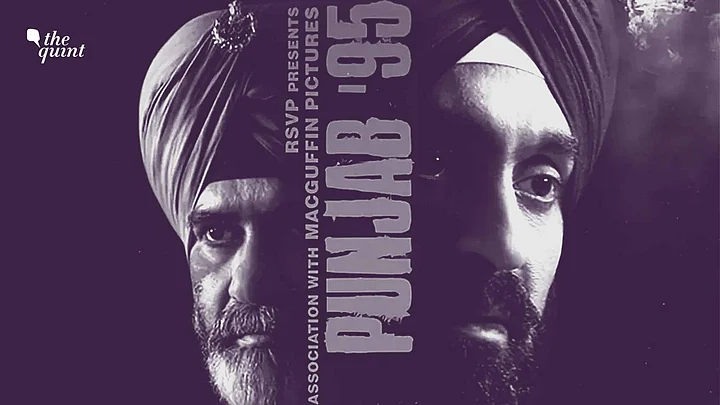
Directed and co-written by Honey Trehan, the film is produced by RSVP Movies and MacGuffin Pictures. The cast also features Arjun Rampal, Kanwaljit Singh, Suvinder Vicky and Geetika Vidya Ohlyan.
Inspired by the life of human rights activist Jaswant Singh Khalra, Satluj chronicles one man’s relentless quest to uncover the truth behind thousands of unexplained disappearances during a turbulent period marked by militancy and political violence. The film explores the emotional toll of that pursuit while examining themes of justice, accountability, courage and resilience.
The story follows Jaswant Singh’s decades-long campaign to seek answers for more than 25,000 missing people, highlighting the sacrifices involved in standing up to powerful systems. Rather than presenting a conventional hero, the film focuses on the personal cost of choosing conviction over silence.
Speaking about the platform’s content strategy, ZEE5 business head Tejkarran Singh Bajaj said the service is expanding beyond entertainment by combining premium storytelling with marquee sports properties and culturally resonant programming.
He said the success of the FIFA World Cup 2026 and growing interest in properties such as the Bundesliga have reinforced the platform’s strategy of investing in diverse content across multiple languages. He described Satluj as a film that blends emotional depth with social relevance while reflecting ZEE5’s commitment to stories that inspire meaningful conversations.
Echoing that vision, ZEE5 business head, Hindi Kaveri Das said the platform continues to prioritise stories that are distinctive, culturally relevant and capable of creating lasting impact.
She said Satluj exemplifies that philosophy by presenting a bold and deeply human narrative centred on courage, resilience and the pursuit of justice, adding that the platform is proud to support films that extend beyond conventional entertainment.
For producer Ronnie Screwvala, the project aligns with RSVP’s long-standing focus on meaningful cinema. He said the production house was drawn to the story because of its emotional weight and historical importance, adding that Honey Trehan’s conviction and Diljit Dosanjh’s performance made the film particularly compelling. He also credited ZEE5 for backing a film that addresses difficult subjects with sincerity.
Lead actor Diljit Dosanjh said the opportunity to portray Jaswant Singh Khalra was one of the most meaningful experiences of his career. He explained that the script resonated deeply because it was rooted in the real-life struggles and sacrifices of ordinary people, and said he approached the role with honesty, responsibility and immense respect.
Director Honey Trehan said the creative team’s goal from the outset was to tell the story with authenticity and sensitivity. Calling the film a tribute to the strength of the human spirit, he expressed satisfaction that audiences can now experience a project that the entire team regarded as a labour of love.
With Satluj, ZEE5 continues to strengthen its slate of purpose-driven originals, betting that audiences increasingly want stories that entertain while also encouraging reflection. In doing so, the platform reinforces its ambition to make socially conscious cinema a defining part of its streaming identity.